
A Right to Treatment
Our mission is to prevent the suffering and harm caused by failing to treat severe mental illness and to give all people whose lives are affected by it the chance to thrive.
Find Help & SMI Resources
Welcome to our SMI community of individuals, families, and loved ones affected by severe mental illness. Reach out to our family advocacy team or check out our helpful resources developed specifically for you.


Our SMI Community
Our treatment system for mental illness is broken. We are building a movement so our loved ones with SMI get the focus, funds, and access to evidence-based care that they deserve. There are many fronts – be a part of the movement in the way that works for you.

Learn about Assisted Outpatient Treatment (AOT)
Assisted outpatient treatment, or AOT, is court-supervised care designed to keep people engaged with treatment if they have previously been unable to do so. AOT can be lifesaving.
Media & News Resources
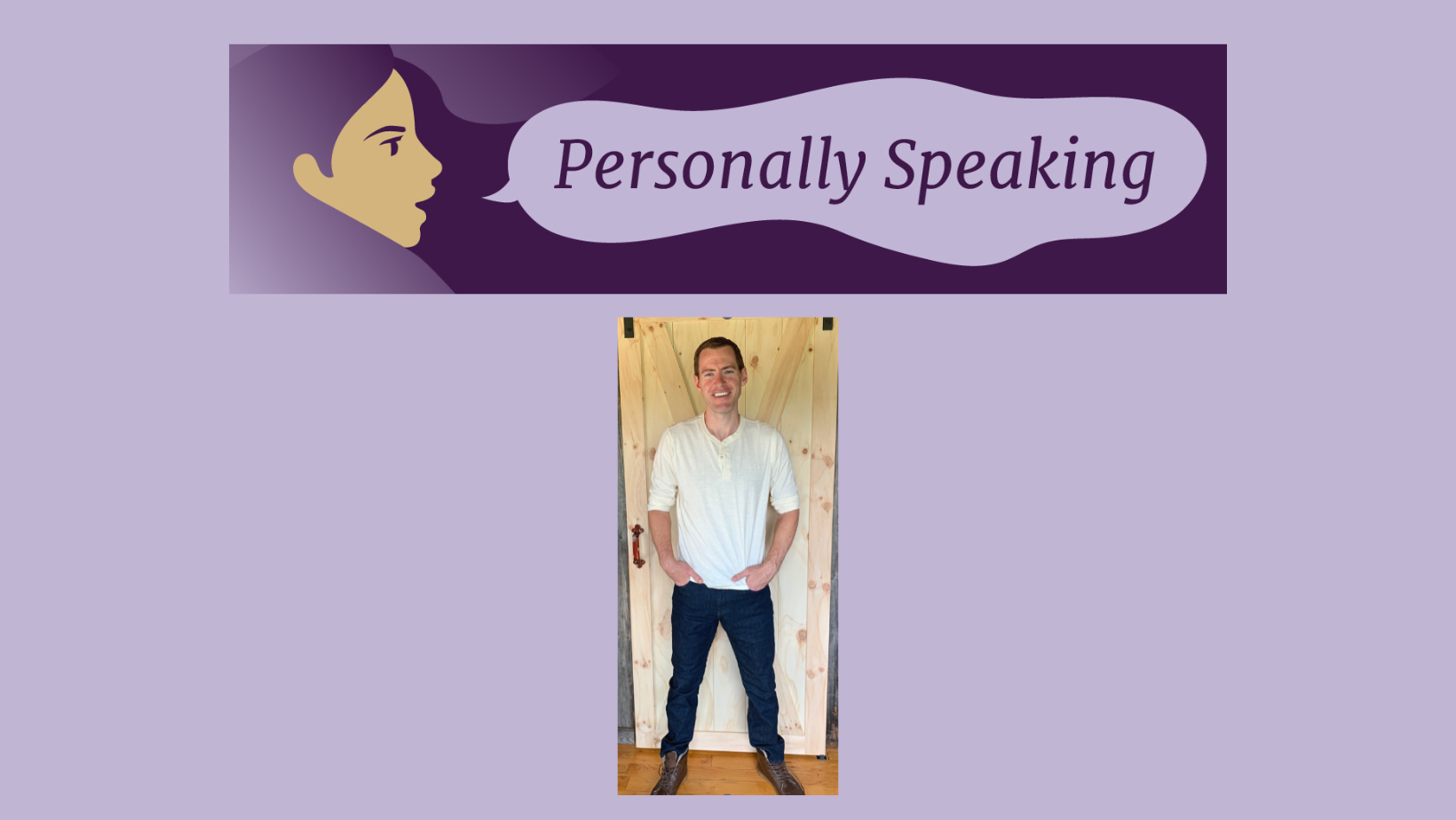
By Lukas Klessig This personally speaking blog is an excerpt from “Words With My Father: A Bipolar Journey Through Turbulent Times“ My father was a functional manic and a despondent […]
Bipolar Disorder Manic
by Hope Parker (February 7, 2024) Black individuals who are a part of the LGBTQ+ community report higher levels of psychological distress than the general population. These higher levels of […]
Research Weekly Uncategorized
by Jennifer M. Reingle Gonzalez, PhD, Rebecca Marcolina, MPH, Research, Data, & Analytics Team, and John Snook, JD, Chief Policy Officer, Meadows Mental Health Policy Institute In this guest post, […]
Research Weekly Suicide
Support Our Work
Make a Donation
You can support our work financially in many ways. Learn more about how your gift can help.
Become an Advocate
Join our network of advocates working within our communities to push for better SMI laws and policies.